Why TPO Membrane Is the Fastest Growing Choice for Commercial Roofing
TPO Membranes:
The Fast-Growing Choice for Energy-Efficient Roofing
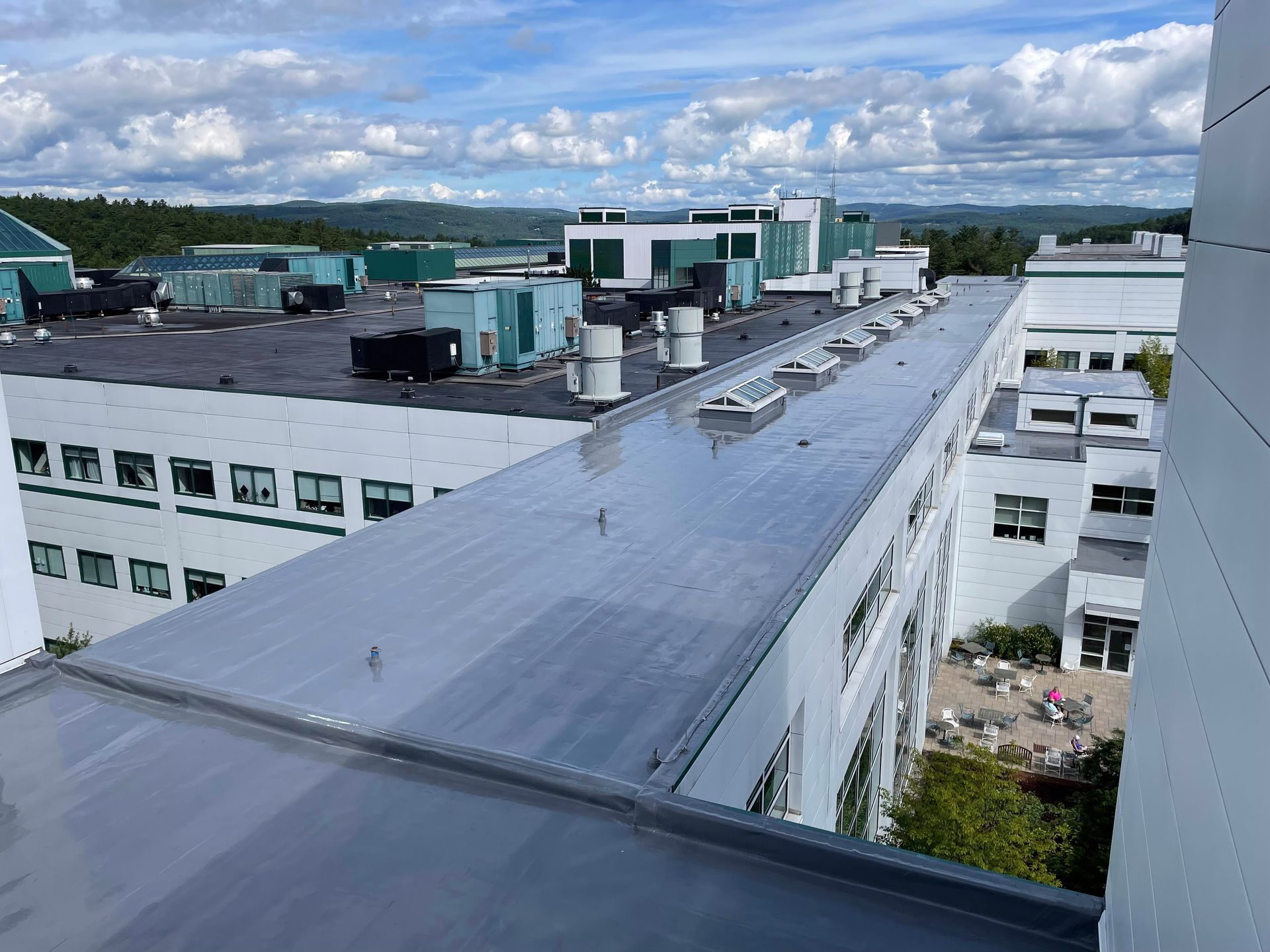
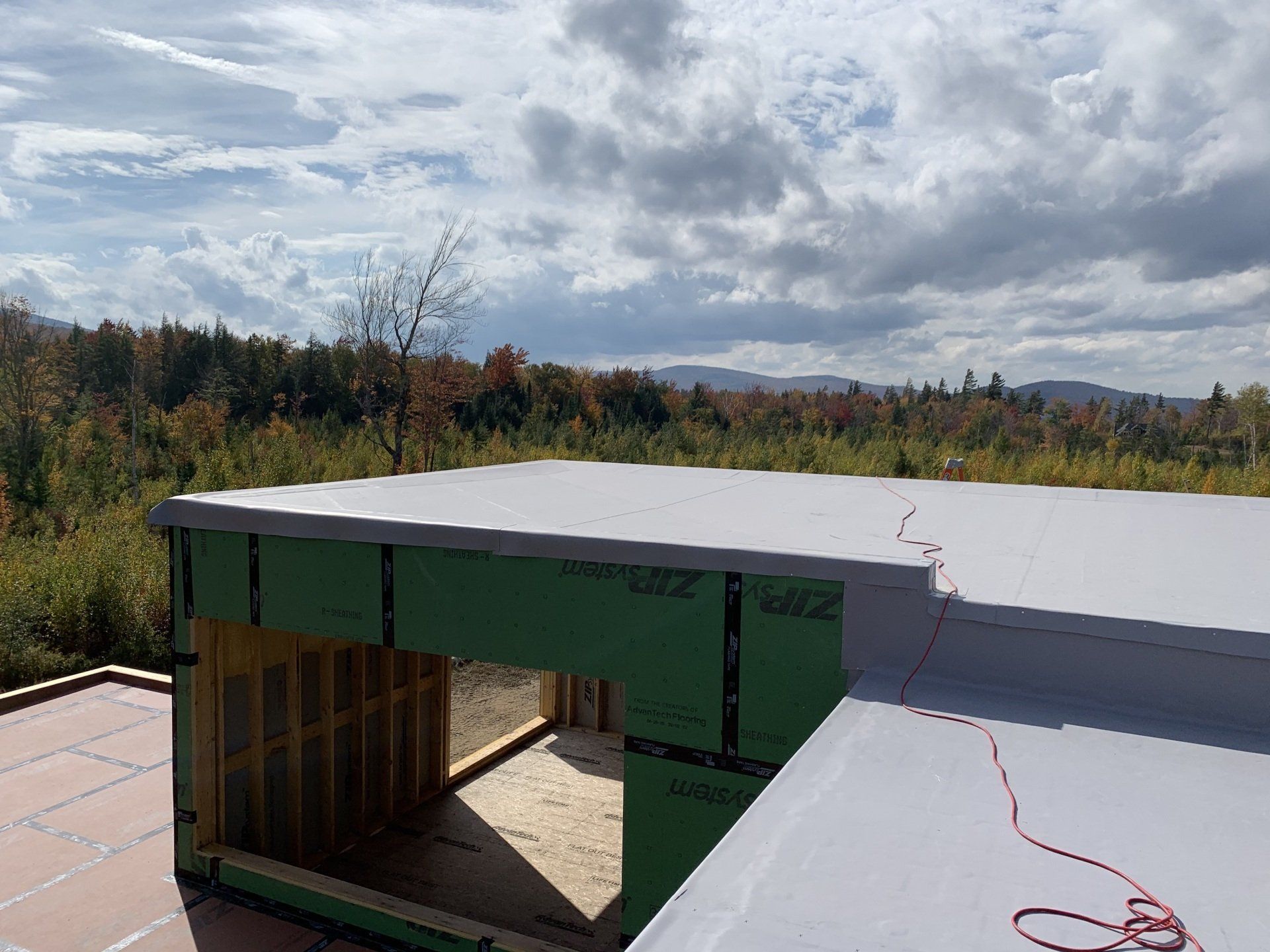
TPO (Thermoplastic Olefin) membrane roofing has gained popularity in the commercial roofing industry due to its affordability, durability, and energy-efficient properties. Today, TPO is one of the fastest-growing choices for flat and low-slope roofs, especially for businesses looking for a reliable and eco-friendly option. Here’s why TPO roofing stands out and why more commercial properties are opting for this innovative material.
Cost-Effective & Durable
TPO roofing combines the best of both EPDM and PVC roofing, providing a material that’s both cost-effective and durable. While TPO is typically more affordable than PVC, it offers similar benefits, including strong resistance to UV rays, heat, and chemicals. When installed and maintained correctly, a TPO roof can last between 15 to 20 years, making it a smart long-term investment for businesses seeking a budget-friendly option that doesn’t compromise on quality.
Energy Efficiency
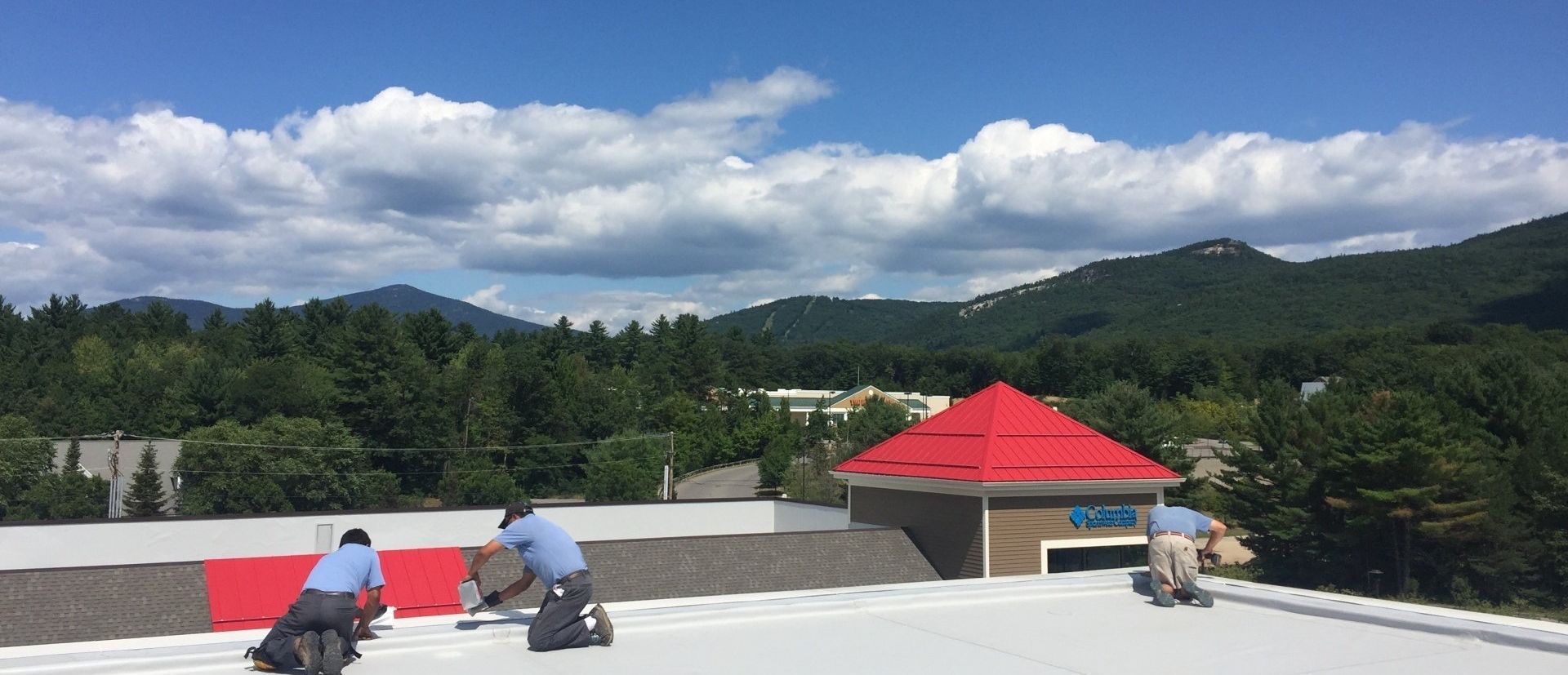
One of the main draws of TPO membrane roofing is its energy efficiency. TPO comes in a light, reflective color that helps reduce the amount of heat absorbed by the building. By reflecting more sunlight and absorbing less heat, TPO can significantly reduce cooling costs, making it ideal for buildings in warmer climates or businesses looking to improve energy efficiency. TPO roofs meet ENERGY STAR® requirements, which can also make properties eligible for tax incentives or rebates.
Environmentally Friendly
TPO is a single-ply roofing membrane that doesn’t contain chlorine, making it an eco-friendly option compared to some traditional roofing materials. Additionally, TPO is 100% recyclable at the end of its life, so it’s a sustainable choice for businesses that prioritize environmental responsibility. Many TPO roofs are manufactured with a lower environmental impact and can be recycled back into roofing products, further supporting green initiatives.
Strong Resistance to Punctures & Tears
Unlike some roofing materials that are prone to tears or punctures from foot traffic, TPO is known for its flexibility and toughness. It can withstand daily wear and tear from maintenance crews, equipment, or even extreme weather. Its durability also makes it more resistant to chemicals and microbial growth, ideal for commercial properties where chemical exposure or organic debris could otherwise damage the roofing.
Easy Installation
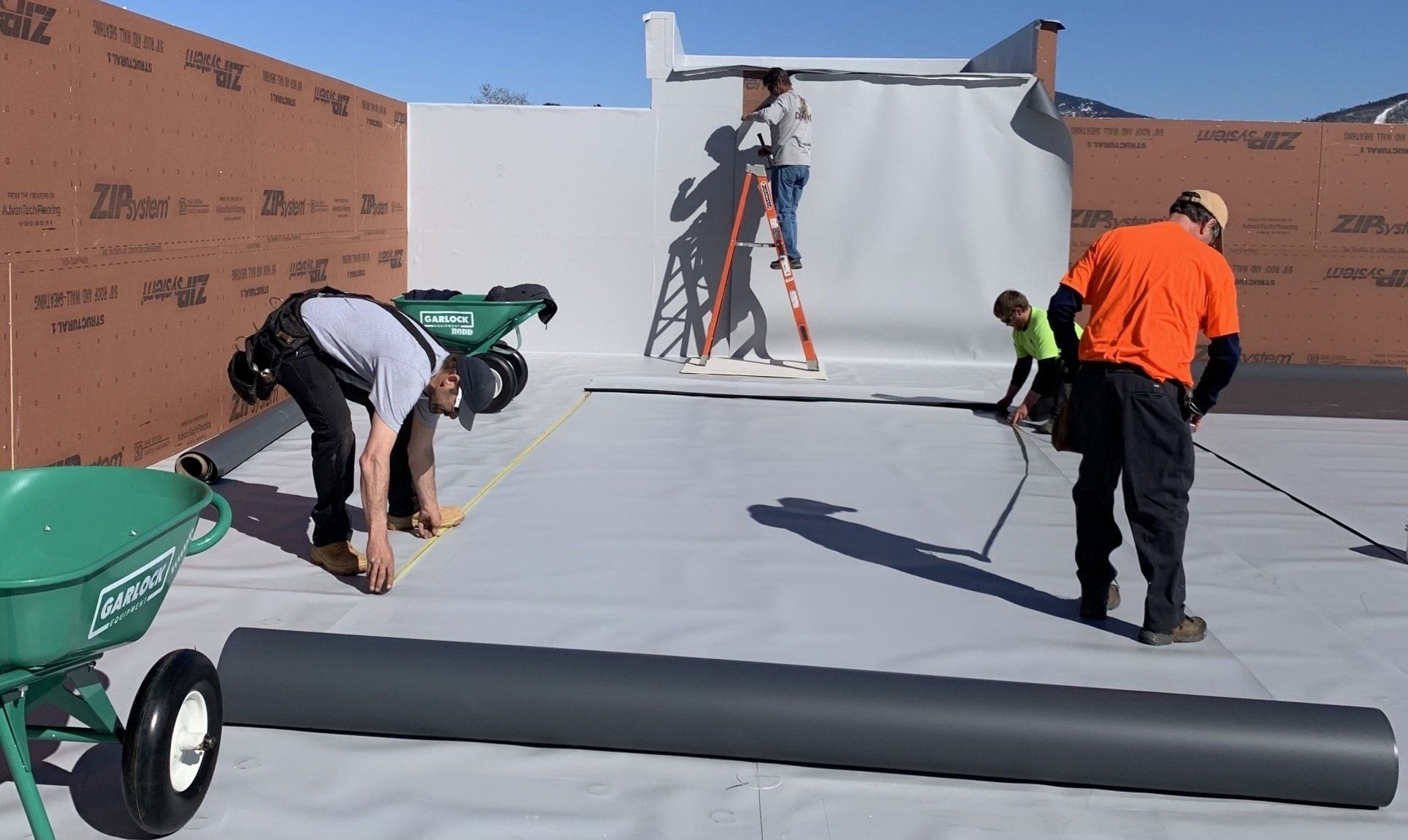
TPO is relatively easy and quick to install, which helps keep labor costs down and minimizes disruptions to business operations. This efficiency, combined with its affordability, makes TPO an attractive option for many commercial property owners.
TPO membrane roofing is a cost-effective, energy-efficient, and environmentally friendly solution that meets the demands of modern commercial buildings. If you're looking for a roofing option that combines durability with long-term savings, contact us to see if it's the right fit for your business.