
Why Preventative Roof Maintenance Makes Major Financial Sense

How Your Business Can Benefit From Routine Roofing Maintenance
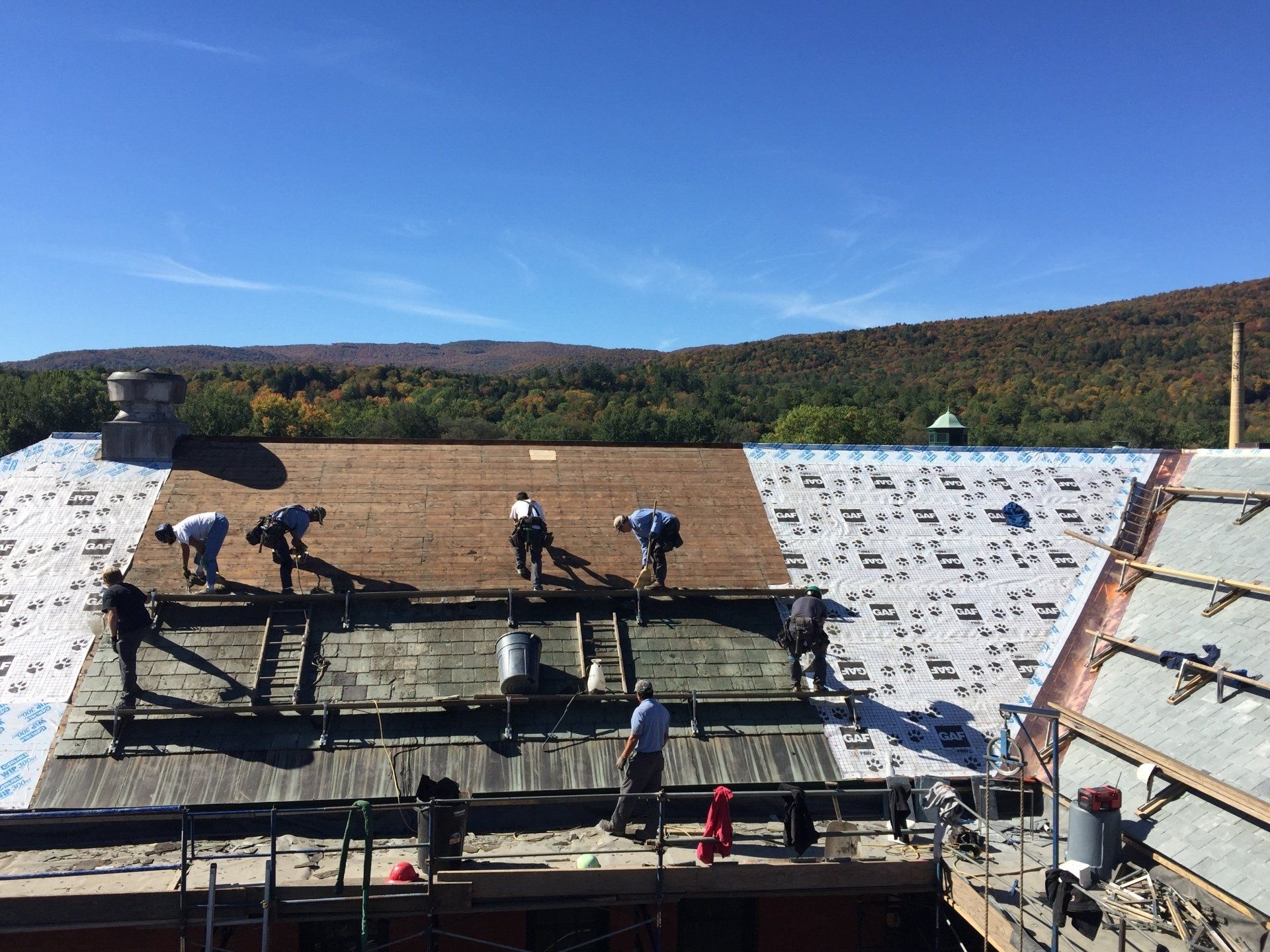
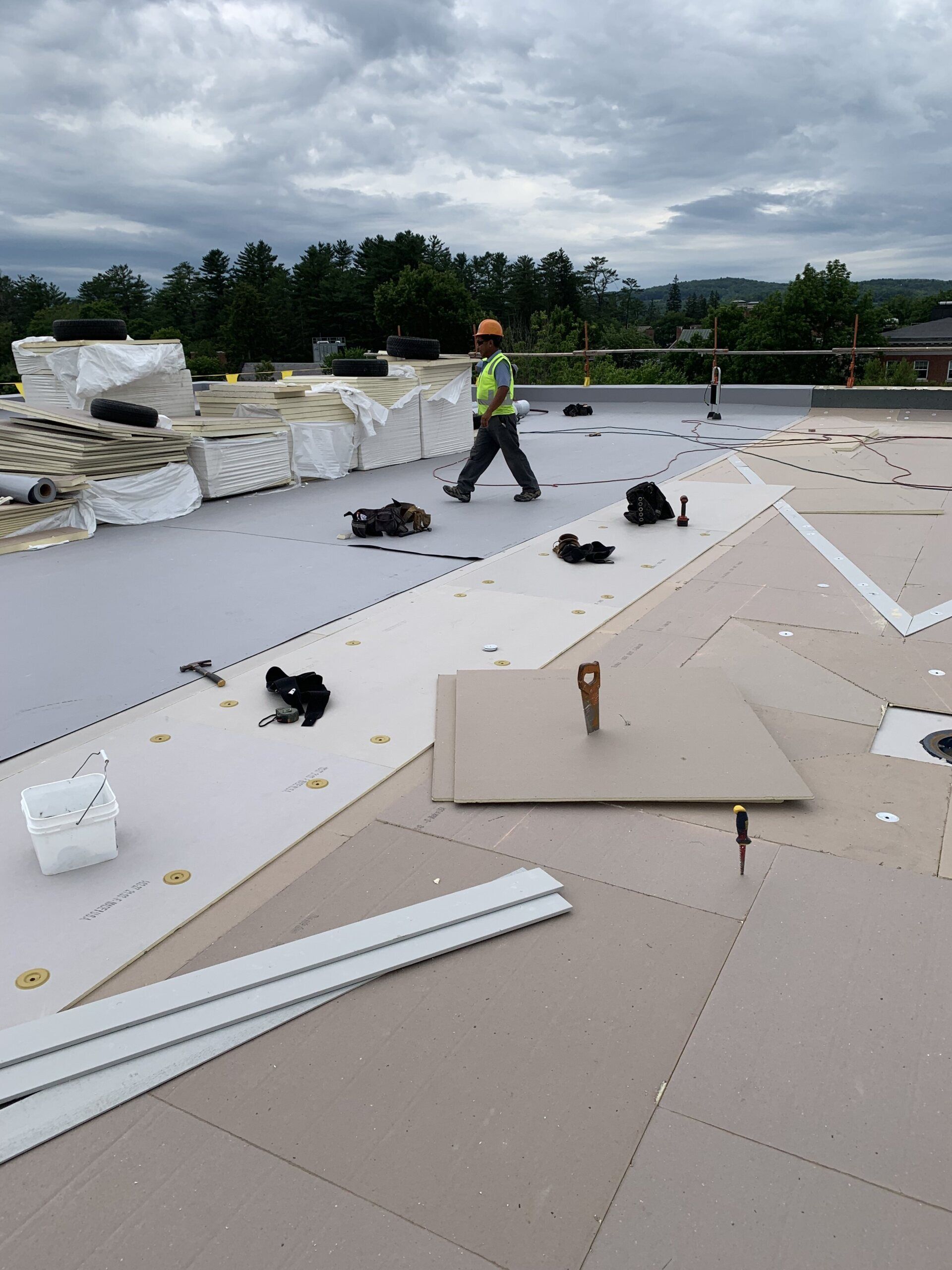
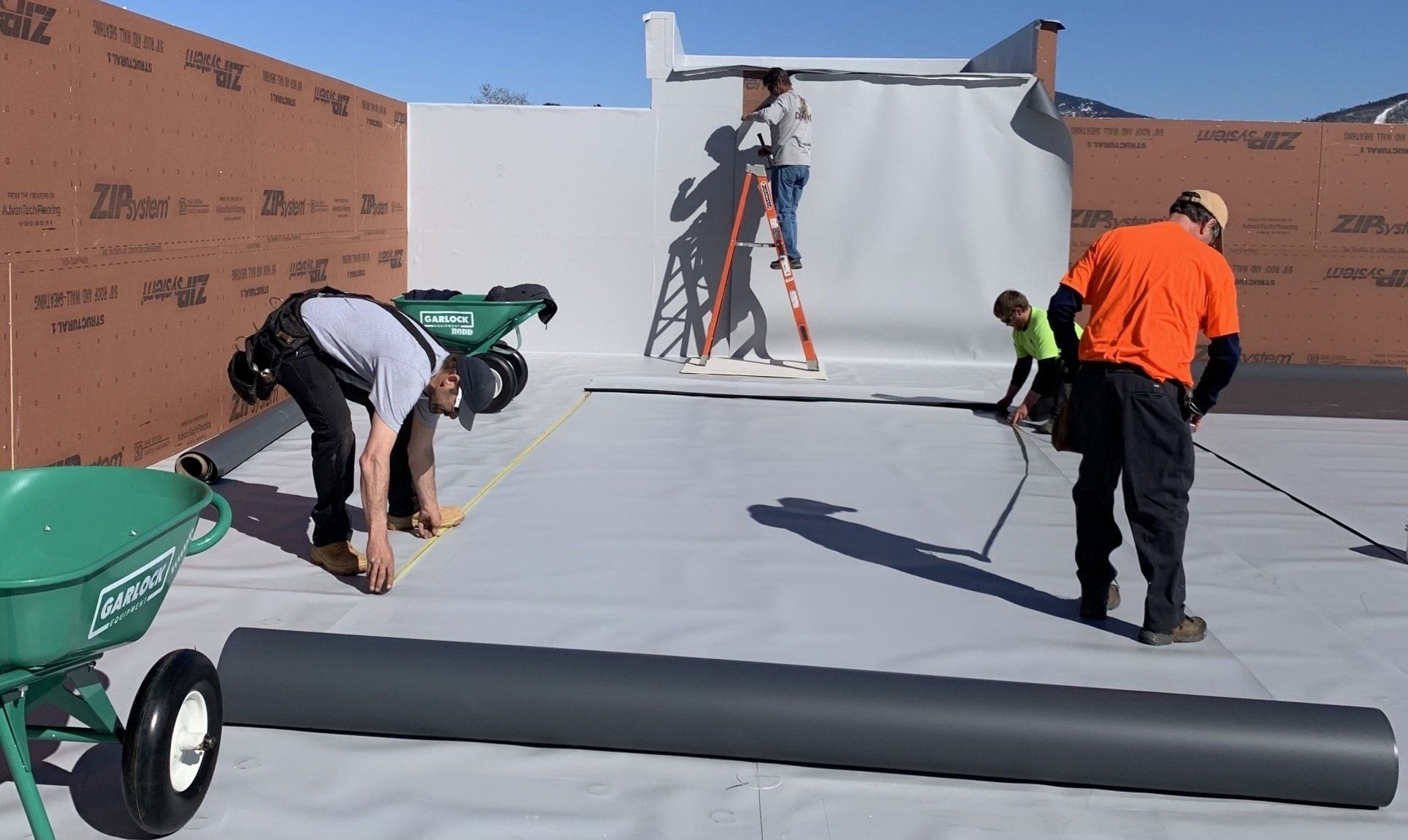
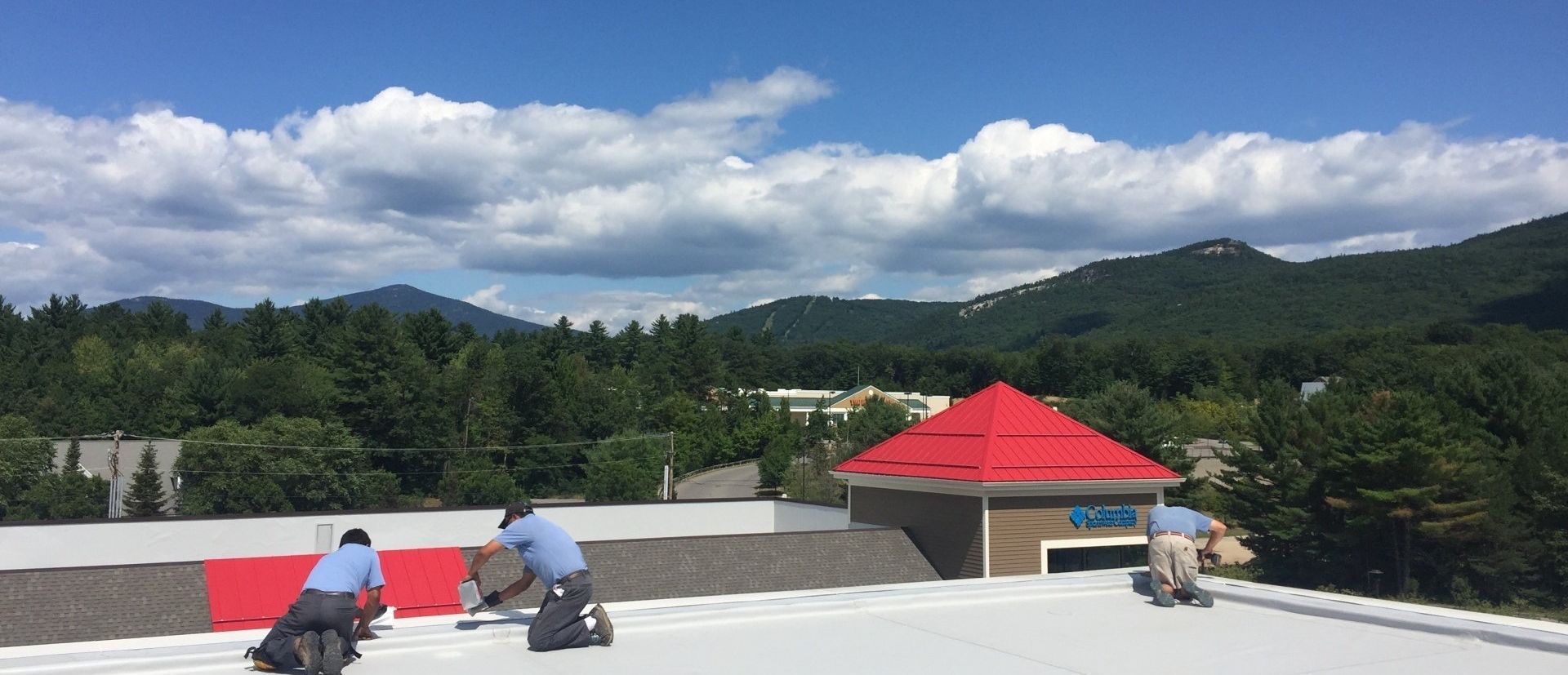
A group of people are working on the roof of a building.

Due to limited resources, facilities teams are required to focus more and more on vital systems, such as safety infrastructure or uninterruptible power in data centers, resulting in less critical equipment deteriorating sooner. Roofs, facades, and parking lots that aren't active mechanical equipment and are typically overlooked when it comes to preventive maintenance. Because things like roofing systems are expensive, not replacing them and doing routine maintenance may significantly speed up the deterioration and cause a lot more expensive harm down the road.


Consider your building's roof as a car: if you never changed the oil or rotated the tires, your automobile would break down far more quickly than if you did so on a regular basis. You'd have to put up with expensive repairs or buy a new car much sooner than you intended, and that's a lot more money than a few oil changes. The same is true for your facility's roof: regular roof care will prevent you from having to replace your roof sooner than necessary, which will save you money in the long term.


And the numbers back up the case for prevention. The Roof Asset Management Program (RAMP), an effort of the Department of Energy’s National Nuclear Security Administration, has been managing the roofing repairs and replacements for six sites across the country under one contract since 2005. The program emphasizes strategic, proactive repairs intended to extend roof life, and to date has:

  • Saved $7 million in construction costs
  • Added $19.3 million in value to the roofing portfolios of these facilities through life-extending repairs
  • Increased average remaining life of roof inventory by 25 percent


A pound of prevention is said to be worth an ounce of treatment. When it comes to key systems, such as your roof, however, prevention pays out big time in your facility's budget. And it's a worthwhile investment.


You can find out about the repair and maintenance programs Rodd Roofing offers here:
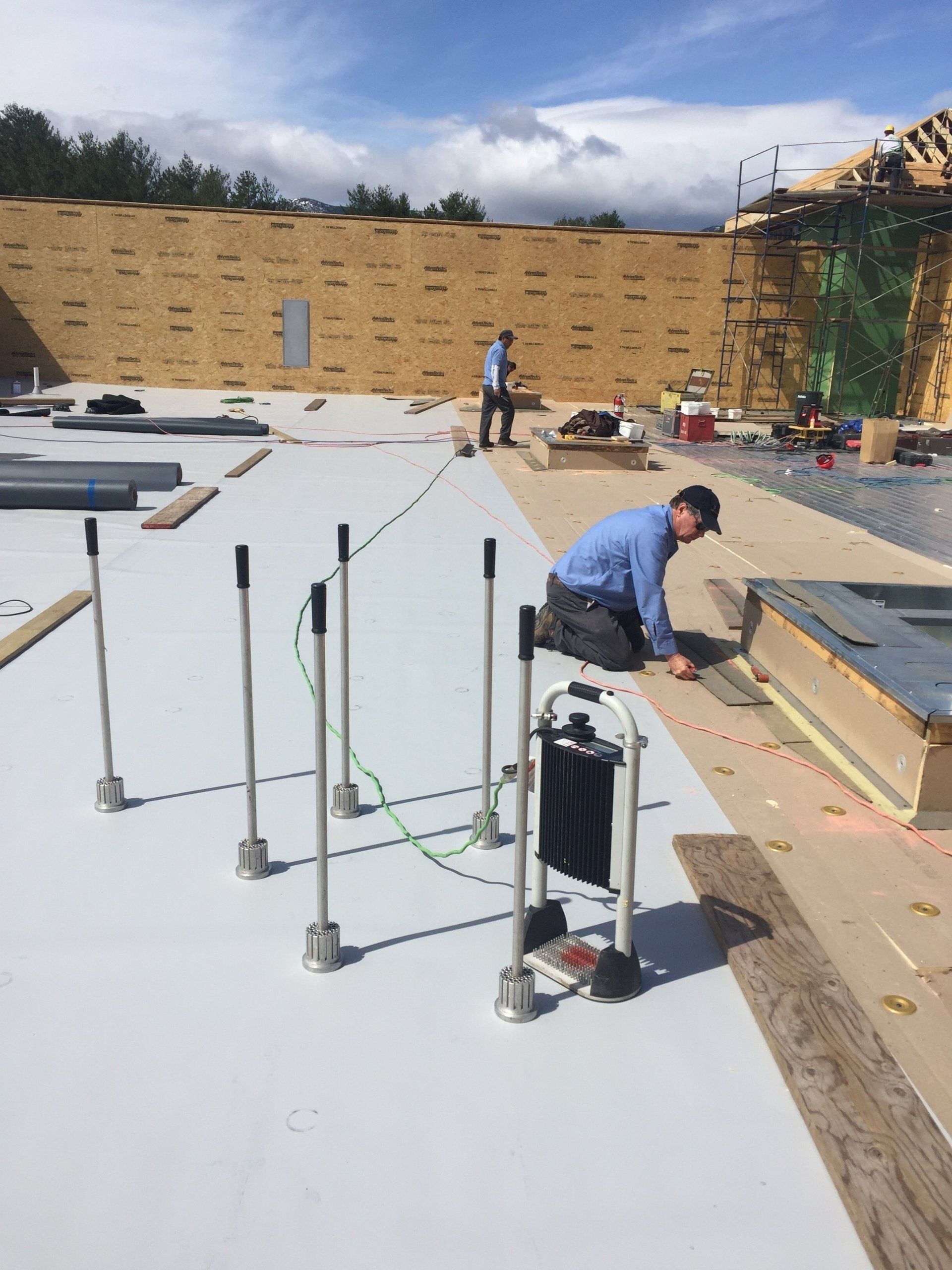
Maintenance & Repair Services
Raindrops splash onto a dark, wet surface, creating ripples and bubbles in a heavy downpour.
April 16, 2026
Prepare your commercial roof for spring storms by addressing winter damage, drainage issues, and wind risks before costly repairs arise.
Raindrops splash into deep, shimmering puddles on a wet pavement with a blurred red building in the background.
April 9, 2026
Spring rain often exposes roof damage caused by winter—learn the warning signs and why a post-winter inspection can prevent costly repairs.
Melting snow and an icicle hang from a red metal roof under a bright blue sky.
March 26, 2026
As snow melts and temperatures fluctuate, hidden winter roof damage can surface—learn what to look for and why a professional spring inspection is essential.
A low-angle view of shiny metal roofing panels with vertical seams against a bright blue sky with a few clouds.
March 19, 2026
Explore how asphalt, metal, slate, copper, single-ply membranes, and silicone coatings perform in Vermont’s demanding climate.
Icicles hanging from the dark brown edge of an umbrella against a clear blue sky.
March 12, 2026
March is the ideal time to inspect your roof after winter stress—learn what to look for and why scheduling a professional spring evaluation can prevent costly leaks.
March 5, 2026
Ensure your commercial roof drains, scuppers, and gutters are ready for spring storms—prevent ponding water and costly interior damage with proactive maintenance.
Flat, black roof with ice and snow. Brown brick trim, bare trees and a snowy background.
February 26, 2026
February’s freeze-thaw cycles put flat roofs at risk—learn how low-slope pooling, frozen scuppers, and blocked internal drains create hidden hazards and why pre-thaw maintenance is critical.
Worker in safety vest and hard hat chipping ice with a shovel on a commerical roof.
February 19, 2026
Learn how unchecked ice buildup can crack flashings, block drains, and force water under roof seams—causing damage that worsens with every winter freeze-thaw cycle.
Two-story house covered in snow, with black shutters and a red door, during a winter day.
February 12, 2026
From stained ceiling tiles to ice at parapet walls, discover five subtle winter warning signs that may indicate hidden roof damage and growing freeze-thaw stress.
Workers on a rooftop in a snowy environment. They are wearing safety vests and helmets, working near a ladder.
February 5, 2026
February’s freeze-thaw cycles put flat roofs at peak risk—learn which commonly overlooked areas like expansion joints, scuppers, and HVAC curbs need professional attention before problems escalate.