
Regular Commercial Roof Maintenance and Why It Matters To Your Business

Commercial Roof Maintenance is Important
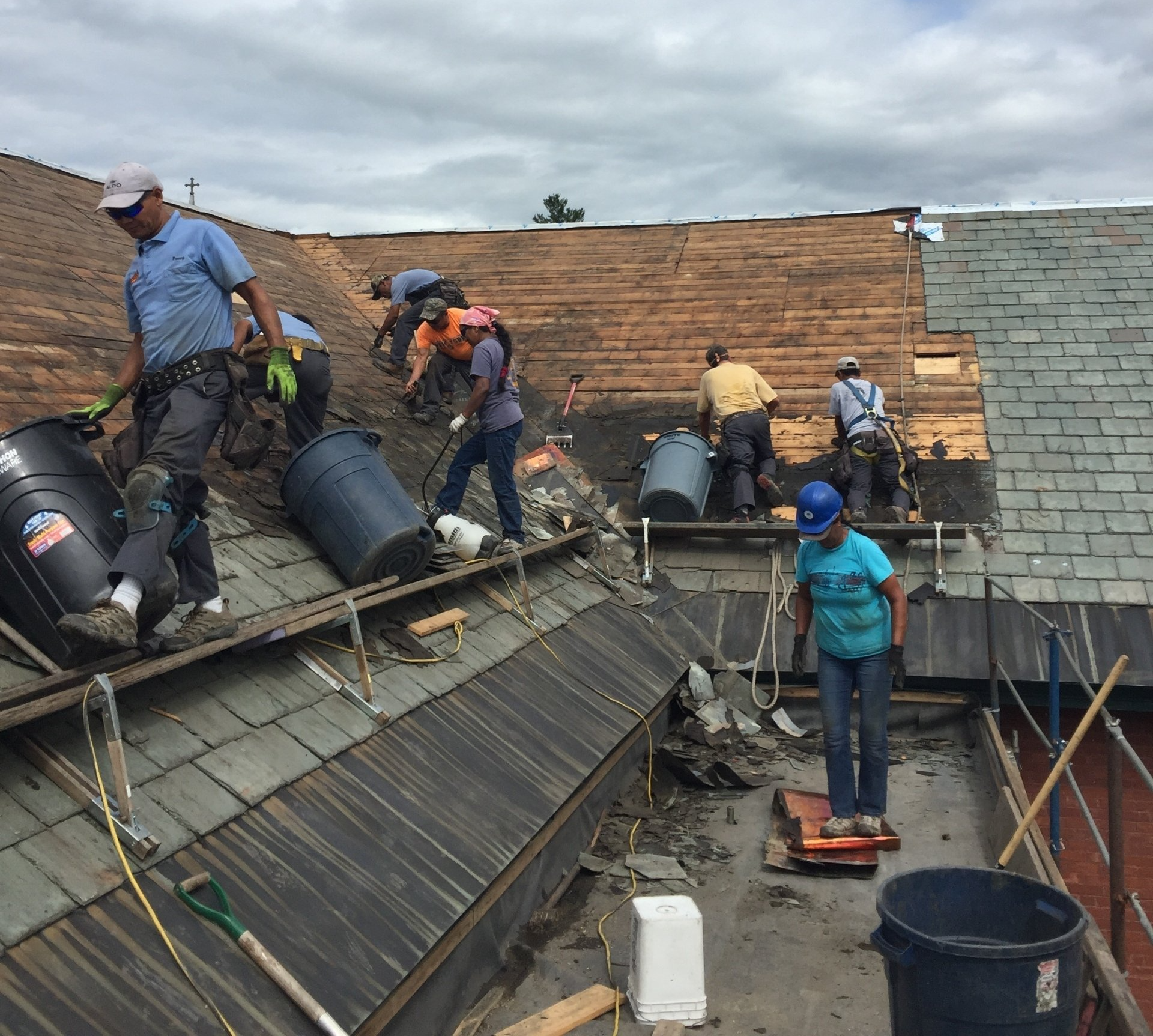
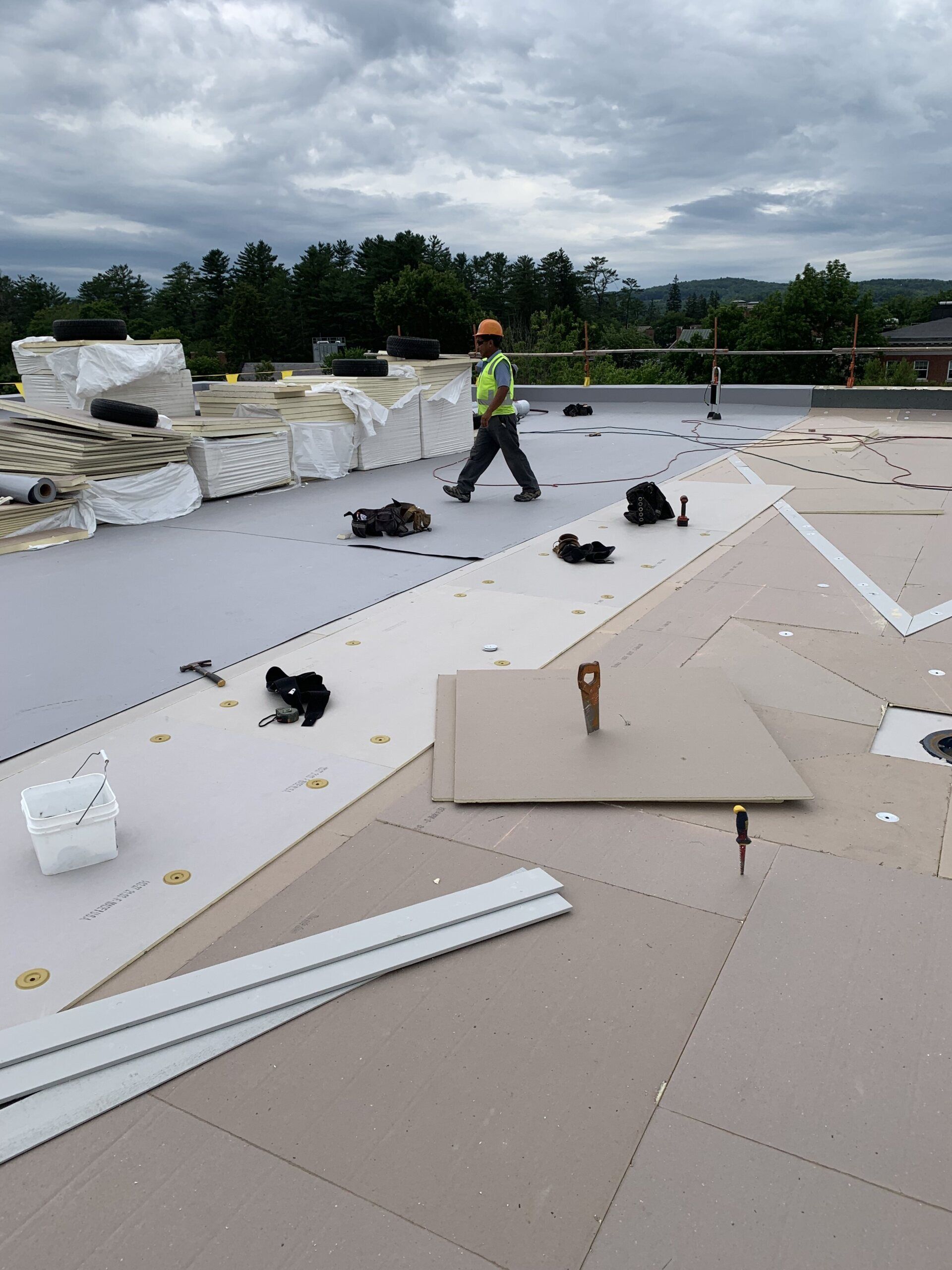
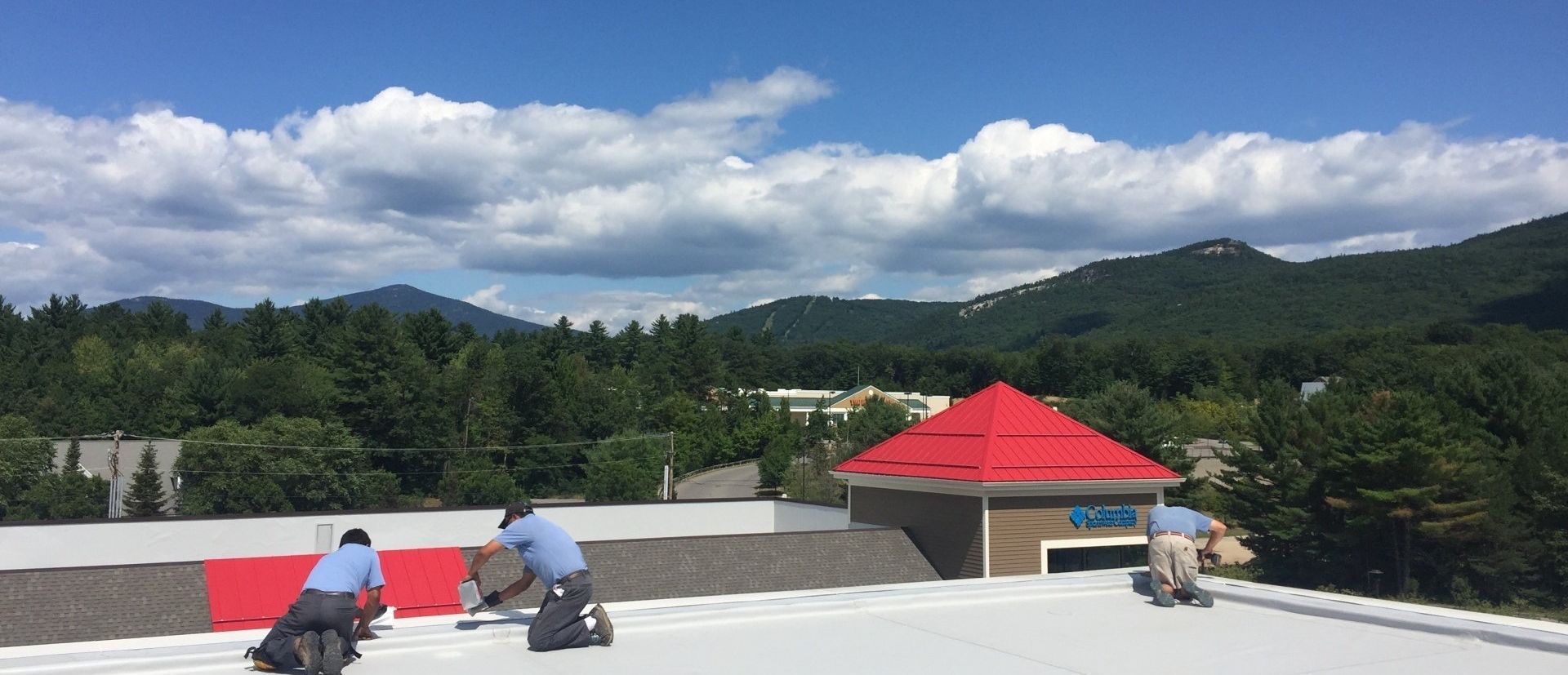
A group of men are working on the roof of a building

Your business establishment, like your home, is a significant asset that must be safeguarded. Investing in regular roof repair is one of the greatest ways to maintain it in good shape. Continue reading to learn why it's critical to maintain your commercial roof on a regular basis.


Identifying Underlying Issues:

When was the last time you had your roof inspected? At the very least, you should inspect the system twice a year. This allows you to detect damage and respond as quickly as possible. If you ignore a little leak, for example, it will only get worse. Licensed roofers should always be hired to complete the task and provide efficient solutions.


Extend the Life of Your Roof:

Old age, harsh weather, and upkeep are all elements that affect the longevity and function of your roofing system. Consider roof maintenance as a preventive strategy; it slows the system's degeneration, allowing you to get the most out of your investment.


Creates a Safe Workplace Environment:

A poorly maintained roof can pose a major safety risk to your business, employees, and consumers. Roof leaks that aren't identified and repaired quickly can lead to mold and mildew growth in your building, posing a health risk. Anyone in the building is at risk from wet floors caused by leaks. Invest in routine preventative maintenance from professionals you can trust to avoid these problems.


To learn more about our roof repair maintenance and installation services, call Rodd  Roofing today at (800) 331-7663. You can also fill out our contact form to schedule a consultation and estimate. We have been proudly serving all of Vermont for over 100 years.
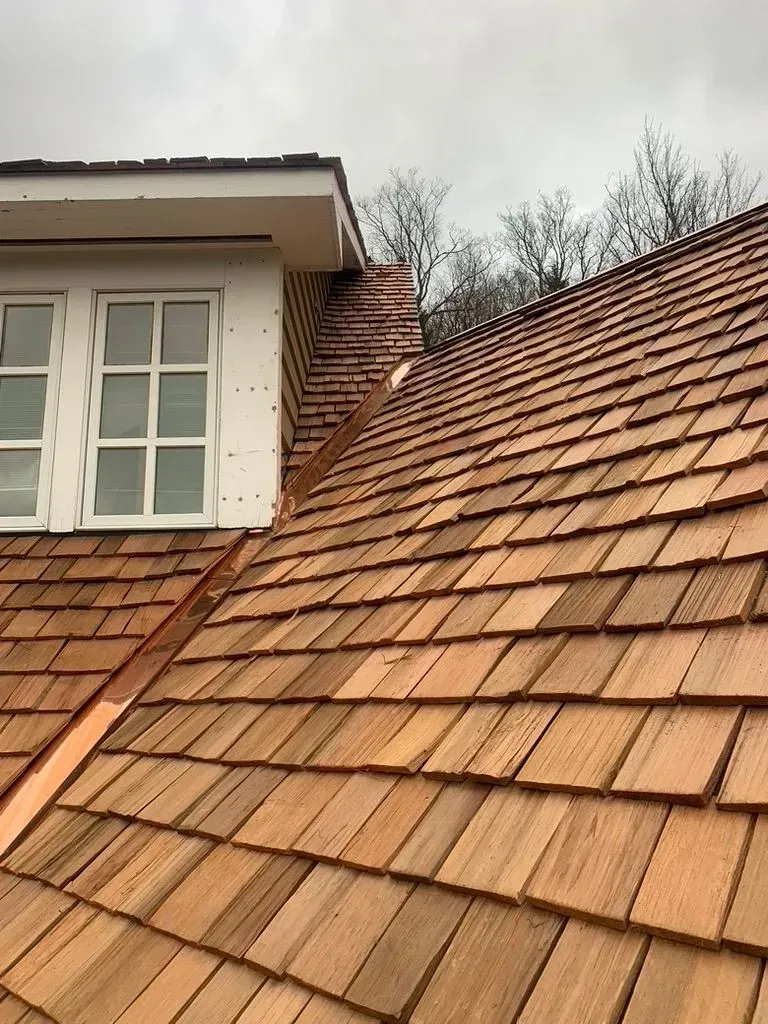
Weathered wooden cabin roof with steep gables under bare tree branches on a cloudy day
May 5, 2026
Vermont winters can damage your roof. Learn the top warning signs and what to do next to protect your home this spring.
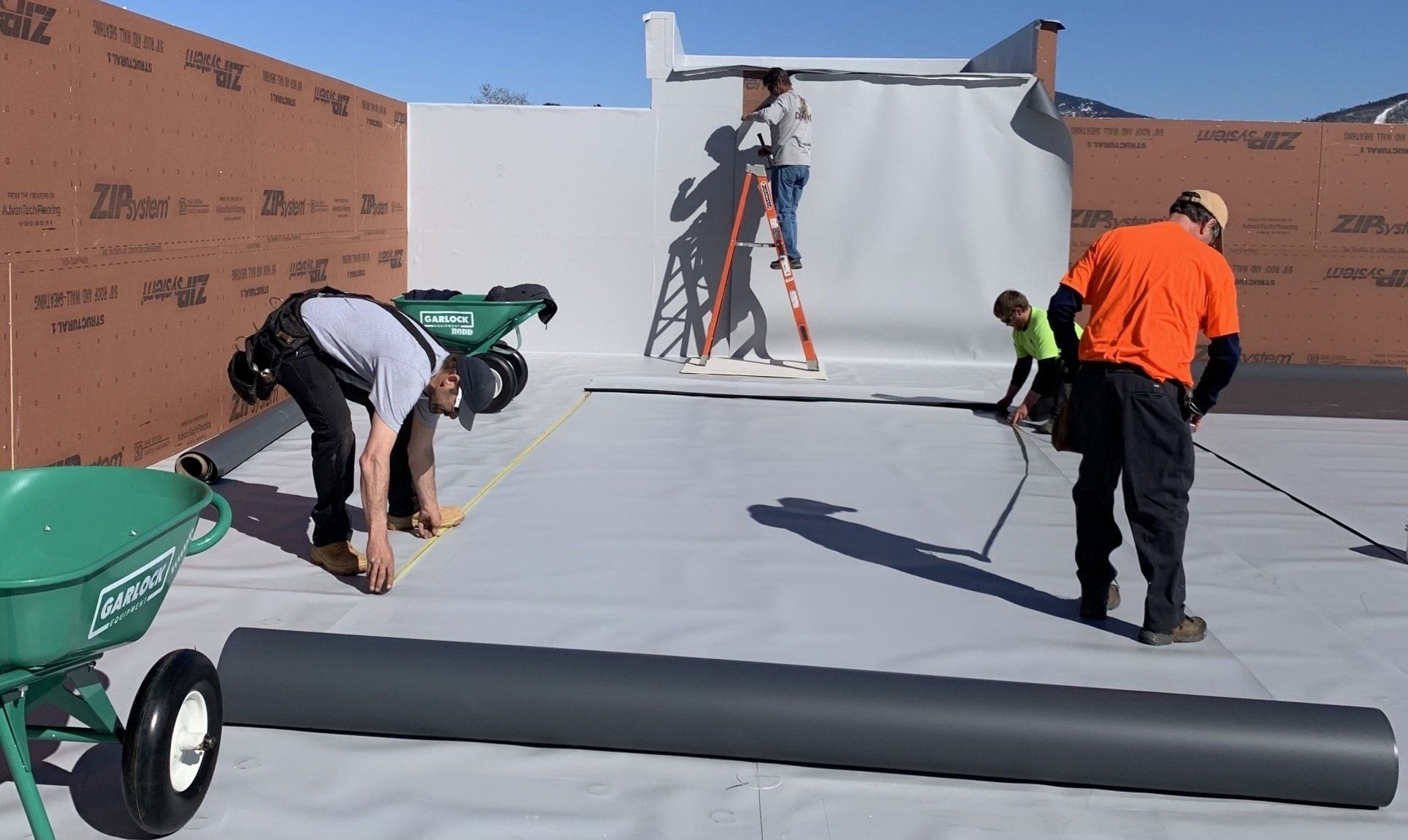
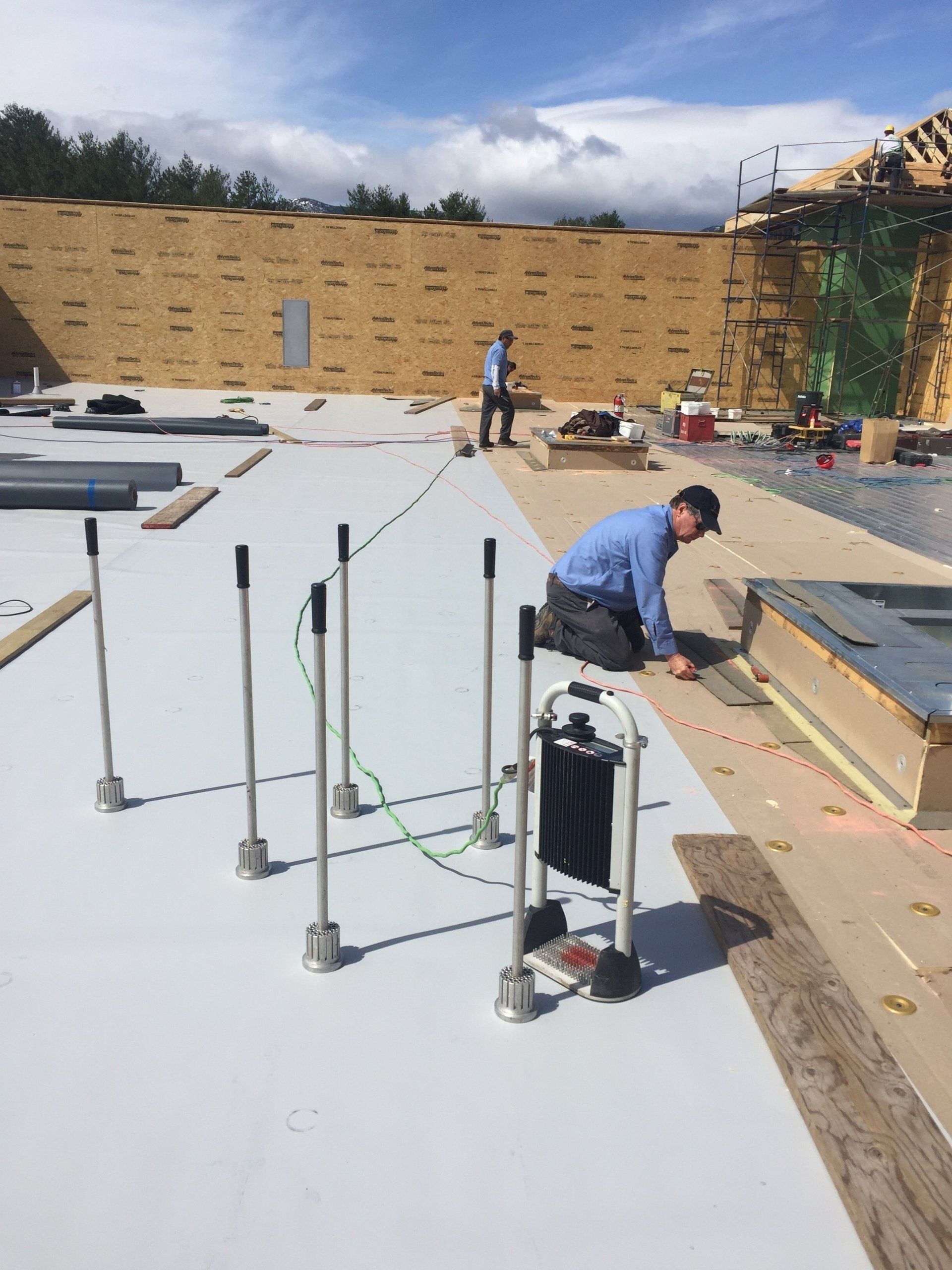
Three people work on installing a white flat roof on a building against a background of mountains and a blue sky.
April 30, 2026
Vermont’s harsh weather can shorten a roof’s lifespan—learn how preventative maintenance plans help protect your building and reduce unexpected repair costs.
April 23, 2026
Not sure whether to repair or replace your roof? Learn the key factors to consider this spring and make the most cost-effective decision.
Raindrops splash onto a dark, wet surface, creating ripples and bubbles in a heavy downpour.
April 16, 2026
Prepare your commercial roof for spring storms by addressing winter damage, drainage issues, and wind risks before costly repairs arise.
Raindrops splash into deep, shimmering puddles on a wet pavement with a blurred red building in the background.
April 9, 2026
Spring rain often exposes roof damage caused by winter—learn the warning signs and why a post-winter inspection can prevent costly repairs.
Melting snow and an icicle hang from a red metal roof under a bright blue sky.
March 26, 2026
As snow melts and temperatures fluctuate, hidden winter roof damage can surface—learn what to look for and why a professional spring inspection is essential.
A low-angle view of shiny metal roofing panels with vertical seams against a bright blue sky with a few clouds.
March 19, 2026
Explore how asphalt, metal, slate, copper, single-ply membranes, and silicone coatings perform in Vermont’s demanding climate.
Icicles hanging from the dark brown edge of an umbrella against a clear blue sky.
March 12, 2026
March is the ideal time to inspect your roof after winter stress—learn what to look for and why scheduling a professional spring evaluation can prevent costly leaks.
March 5, 2026
Ensure your commercial roof drains, scuppers, and gutters are ready for spring storms—prevent ponding water and costly interior damage with proactive maintenance.
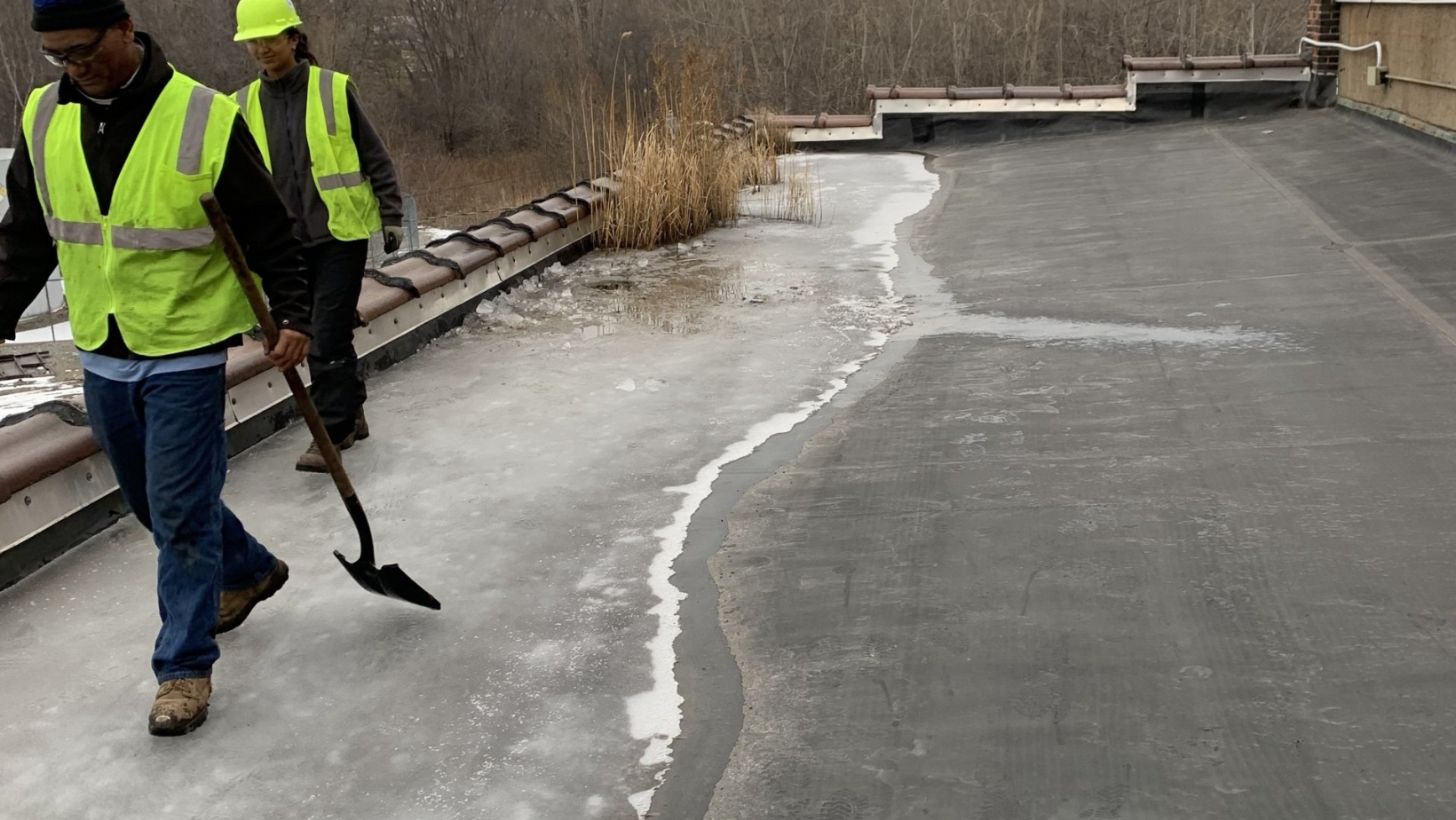
Flat, black roof with ice and snow. Brown brick trim, bare trees and a snowy background.
February 26, 2026
February’s freeze-thaw cycles put flat roofs at risk—learn how low-slope pooling, frozen scuppers, and blocked internal drains create hidden hazards and why pre-thaw maintenance is critical.