How Long Do Flat Roofs Typically Last?

Flat Roof Lifespan:
How Long Can You Expect Your Roof to Last?
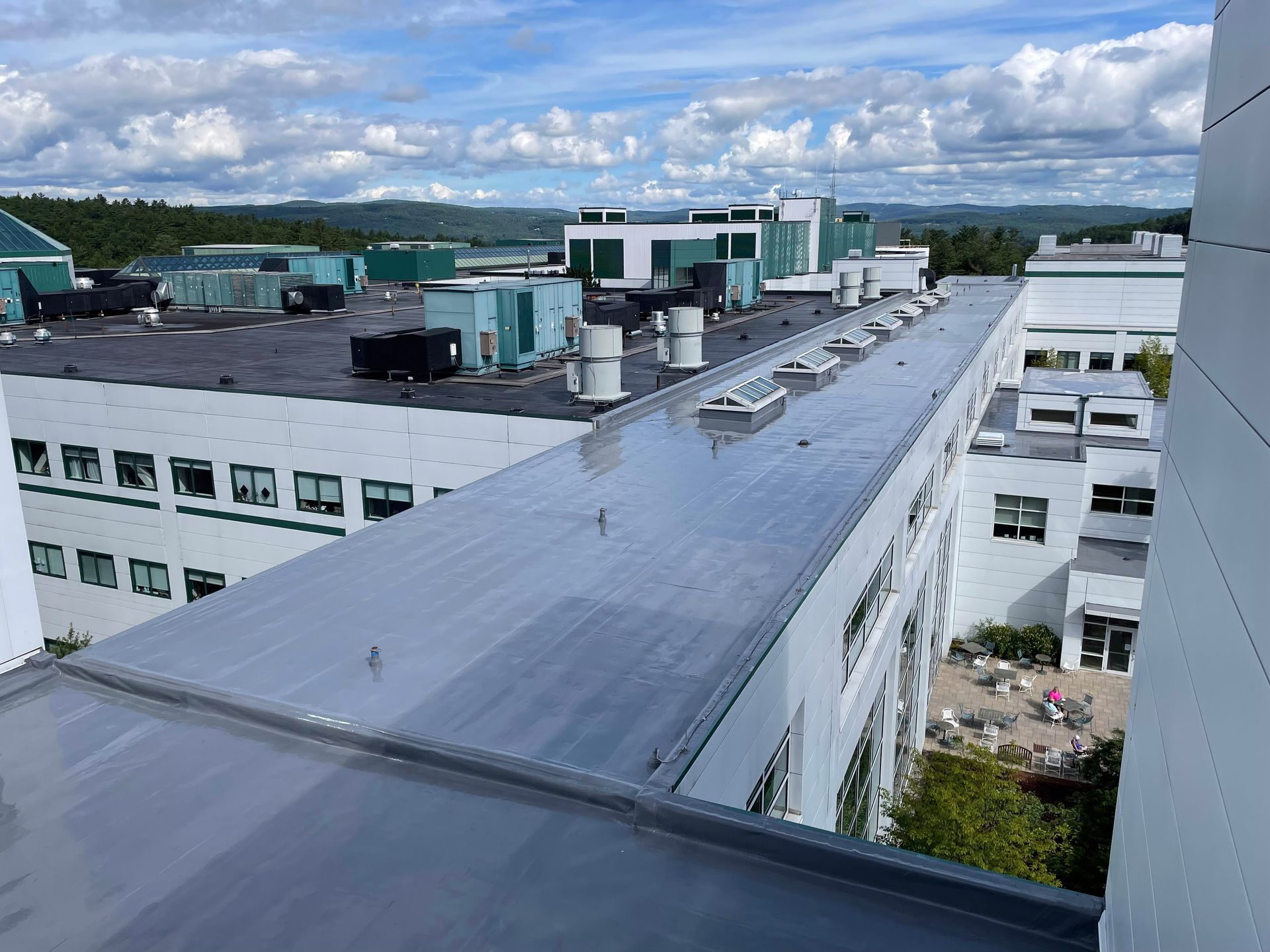
If your commercial building has a flat roof, you might wonder how long you can expect it to last. The answer depends on a few factors, including the materials used, the quality of installation, and how well the roof is maintained. Flat roofs can be a great choice for commercial properties, but their lifespan can vary. Let’s break down the most common flat roofing materials and how long they typically last.
EPDM Roofing: Long Lasting & Low Maintenance
Ethylene Propylene Diene Monomer (EPDM), commonly known as rubber roofing, is a popular flat roofing option. It’s known for its durability and low maintenance needs. If properly installed and maintained, an EPDM roof can last anywhere from 20 to 30 years, and sometimes longer. EPDM is resistant to weather damage, including UV rays, which helps extend its lifespan. Regular inspections and timely repairs can help maximize the life of your rubber roof.
TPO Roofing: Affordable & Efficient
Another widely-used material for flat roofs is Thermoplastic Polyolefin (TPO). TPO roofs are prized for their energy efficiency, as their reflective surface helps reduce heat absorption, keeping your building cooler. In terms of lifespan, a well-installed and maintained TPO roof will last about 15 to 25 years. While slightly shorter than EPDM, the lower cost and energy savings make TPO an appealing option for many commercial properties.
PVC Roofing: Durable & Resistant
Polyvinyl Chloride (PVC) roofing is another common choice for flat roofs, especially in areas that experience extreme weather conditions. PVC is highly resistant to chemicals, fire, and wind, making it a durable option for flat roofs. A PVC roof can last anywhere from 20 to 30 years, but with proper maintenance, it could last even longer. PVC tends to be a bit more expensive upfront than EPDM or TPO, but its durability can offer long-term savings.
Factors That Impact Lifespan
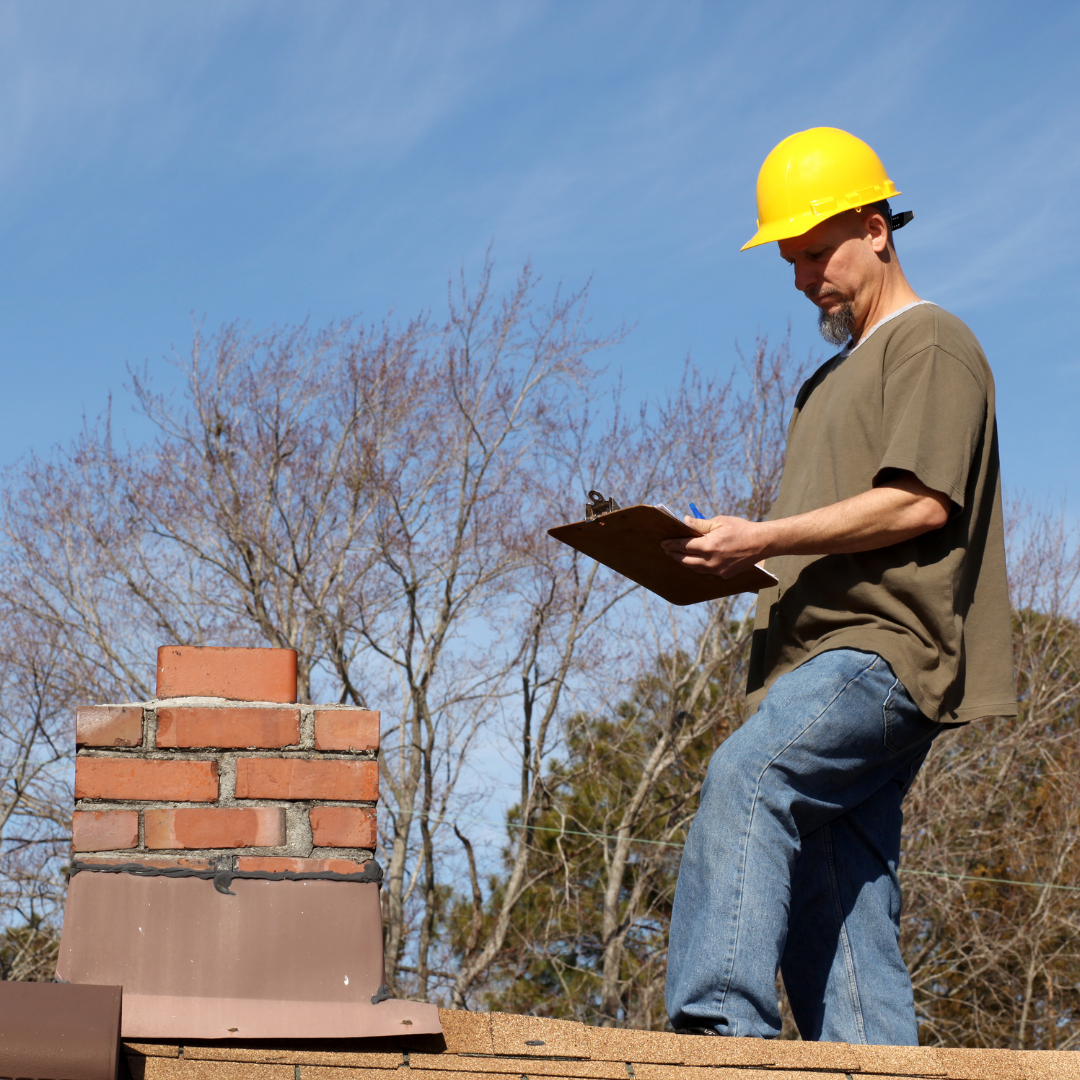
The material isn’t the only factor that determines how long your flat roof will last. Installation quality is crucial—an improperly installed roof may need frequent repairs or early replacement. Maintenance is also key. Regular inspections to check for leaks, cracks, or punctures will help you catch small issues before they turn into major problems.
On average, a flat roof can last anywhere from 15 to 30 years, depending on the material, installation, and maintenance. Working with a reputable roofing contractor and scheduling regular inspections will ensure that your roof reaches its maximum potential lifespan.